Rekeying vs. lock replacement for a new home
Why your new home's locks need attention
Moving into a new home brings a long list of tasks, and the locks on every exterior door rarely top it. Yet those locks may have been copied, handed out to contractors, or left unchanged for years. The previous owner could have given keys to neighbours, cleaners, or a property manager. Even if you trust the seller, the only way to be certain who holds a key is to change the lock's internal mechanism or swap the whole lock out. Two common approaches exist: rekeying the existing lock or replacing it with a new one. Each solves the security question, but they suit different situations, budgets, and goals.
What rekeying means and how it works
Rekeying is a process that keeps the lock's exterior hardware but changes the internal pin stack so that a new key operates it. A locksmith removes the lock cylinder, inserts a new set of pins that match a different key, and reassembles the cylinder. The lock body, strike plate, and visible trim stay the same. The advantage is that you can have multiple locks throughout the house keyed alike - one key opens every exterior door - without buying new hardware.
Rekeying is often the faster and less expensive option when the existing locks are in good shape. It is also a good choice if you want to keep the original look of the home's doors, especially in older houses where matching replacement hardware might be hard to find. The process works on most standard pin-tumbler cylinders, including common deadbolts and knob locks. Smart locks and high-security locks with restricted keyways may not be rekeyable, or may require special parts.
One thing to keep in mind: rekeying does not address wear or damage. If a lock is sticky, has a loose handle, or the strike plate is misaligned, simply changing the pins will not fix those problems. Rekeying is purely about key control and access. The mechanical condition of the lock remains the same after the service.
When replacement makes more sense
Lock replacement means removing the entire lock assembly and installing a new one. This is the right move when the existing lock is worn out, damaged, or of poor quality. An old deadbolt that feels sloppy when you turn the key, or a lock that has been forced in a break-in attempt, should be replaced rather than rekeyed. Replacement also gives you a chance to upgrade to a different type of lock entirely.

For example, you might replace a standard keyed entry lock with a deadbolt that has a longer throw bolt and a reinforced strike plate. Or you might switch to a keypad deadbolt that uses an access code instead of a physical key. Smart locks, which let you grant temporary access codes to guests or service providers, are another option that only comes through replacement. If you want keyless entry or the ability to control locks from a phone, rekeying cannot deliver that.
Replacement is also needed when the existing lock uses an obsolete keyway or a proprietary system that is no longer supported. Some older locks have cylinders that cannot be rekeyed to standard keys, and finding matching pins or a new cylinder for them may be impractical. In that case, a new lock is the simplest path.
Comparing the two approaches side by side
The main difference between rekeying and replacement is what you keep and what you change. Rekeying preserves the lock's hardware and changes only the internal parts that determine which key works. Replacement swaps out everything, including the cylinder, the lock body, and often the strike plate and screws.
Cost is one factor, but it is not the only one. Rekeying typically costs less per lock than buying a new lock, especially if you are having multiple locks done at once. However, if a lock is already in poor condition, rekeying it is a short-term fix that may still need replacement later. Replacement involves the cost of the new lock plus labour, but gives you a fresh start with modern security features.
Convenience matters too. Rekeying can usually be done on site by a mobile locksmith, and you can keep your existing door hardware. Replacement may require matching the new lock to the door's existing bore holes and backset. If the new lock is a different size or shape, the door may need modifications to the wood or metal frame. That adds time and sometimes extra cost.
Key control is another factor. With rekeying, you bring all your locks to a single key, which simplifies daily use. With replacement, you can choose a lock that uses a restricted keyway - a keyway that the manufacturer does not supply to every locksmith, making unauthorised copying harder. Some high-security locks also offer patented key control, where only the original owner can order duplicate keys.
How to decide which option fits your home
Start by inspecting each exterior lock. Turn the key in the cylinder. Does it feel smooth or gritty? Does the bolt extend and retract fully without sticking? If the lock operates well and the hardware is in good shape, rekeying is likely the right choice. If the lock feels loose, requires wiggling the key, or the bolt does not align cleanly with the strike plate, replacement will give better performance and security.
Consider the type of lock you have. A basic key-in-knob lock offers little security and is often easy to force. Rekeying it will not improve its strength. Replacing it with a deadbolt - preferably one with a Grade 1 or Grade 2 rating - makes a real difference. Similarly, if you have a lock with a plastic or thin metal strike plate, upgrading to a heavy-duty strike plate with longer screws that anchor into the door frame adds real protection against kick-in attacks.
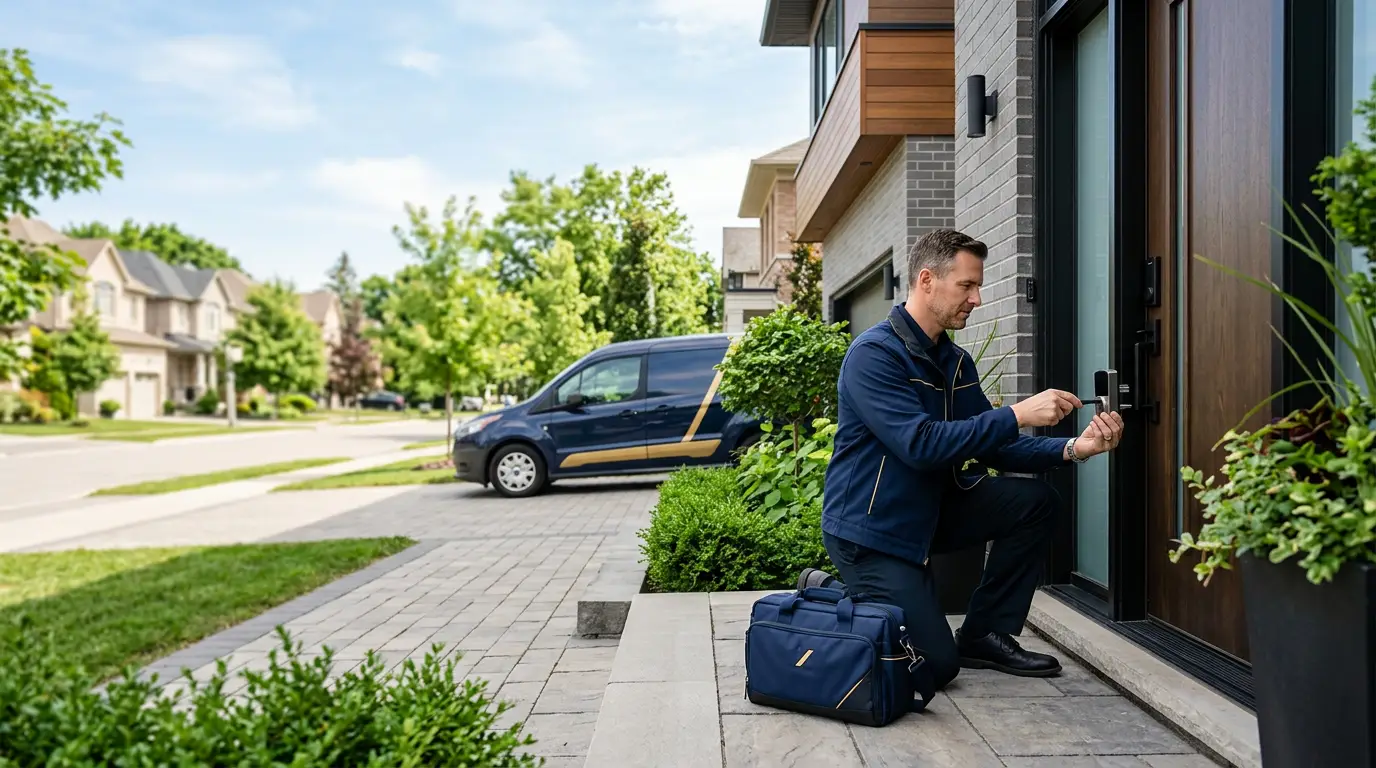
Think about the number of doors and the key situation. If you have three or four exterior doors, and you want a single key for all of them, rekeying is the most straightforward way to achieve that. A locksmith can rekey each cylinder to match the same key, and you end up with a simple keyring. If you prefer separate keys for different doors, or if you want different access levels for family versus service people, replacement with programmable smart locks might be a better fit.
Also think about future plans. If you plan to sell the home in a few years, having all locks keyed alike is a selling point, and rekeying is a low-cost way to provide that. If you plan to stay long-term, investing in high-quality replacement locks with solid construction and modern features pays off over time.
What about smart locks and keyless entry
Smart locks and keypad deadbolts have become common in new homes. These locks use an access code, a smartphone app, or a fingerprint reader instead of a traditional key. Rekeying does not apply to them because they have no mechanical cylinder to repin. If you move into a home with smart locks already installed, you have two choices: reset the lock to factory settings and program your own codes, or replace the lock entirely if the existing model is old, insecure, or incompatible with your preferred system.
Resetting a smart lock is usually straightforward and can be done by following the manufacturer's instructions. It costs nothing beyond your time and gives you control over who has access codes. However, if the lock is a discontinued model that no longer receives security updates, or if the previous owner still has access through a cloud account, replacement is the safer route. A new smart lock gives you modern encryption, a fresh set of codes, and often integration with home automation systems.
For homes with a mix of traditional and smart locks, you might rekey the traditional locks and replace only the smart locks that need updating. The goal is the same: ensure that only you and the people you choose have access to your home.
A professional locksmith can advise on the condition of your specific locks and the best approach for each door. For residents in the area, Locksmith Vaughan Ontario offers mobile service for both rekeying and replacement, and can assess your locks on site. That kind of hands-on evaluation is the most reliable way to know whether a lock can be rekeyed or should be replaced.
Practical steps after moving in
Once you have decided which approach to take, the next step is to gather all the keys you have - from the seller, the real estate agent, and any previous occupants - and decide whether you want all locks keyed alike or prefer separate keys. If you choose rekeying, a locksmith will need access to each lock cylinder. If you choose replacement, you will need to select new locks that fit your doors and meet your security needs.
Check the door thickness and backset (the distance from the edge of the door to the centre of the bore hole) before buying replacement locks. Standard residential doors are 1-3/8 to 1-3/4 inches thick with a 2-3/8 or 2-3/4 inch backset. Most replacement deadbolts and knob sets are adjustable, but it is worth confirming. If your door has a metal frame or an unusual bore pattern, a professional installation may be needed.
Do not forget about the strike plate. A new lock's security is only as good as the strike plate and the screws that anchor it into the door frame. Many standard strike plates come with short screws that barely penetrate the frame. Upgrading to a reinforced strike plate with 3-inch screws that reach the stud behind the frame greatly increases resistance to forced entry. This is a simple upgrade that can be done during lock replacement, and sometimes during rekeying if the locksmith is already working on the door.
Finally, make a habit of checking your locks periodically. A lock that starts sticking, a key that no longer turns smoothly, or a bolt that does not fully extend are signs of wear or misalignment. Addressing those early, either with rekeying or replacement, keeps your home secure and your daily entry hassle-free.
For homeowners in the area who need guidance or service, Locksmith Vaughan Ontario can help with both rekeying and full lock replacement. Their technicians work with residential and commercial locks, and they offer emergency service 24/7, which is useful if you discover a lock issue after hours. The key is to act quickly after moving in, so you can be certain that your new home is secure from day one.